English
 Arabic
 French
 Spanish
 Portuguese
 Deutsch
 Turkish
 Dutch
Dutch
 Italiano
 Russian
 Romaian
 Portuguese (Brazil)
 Greek
Greek
Why the US Connected Medical Devices Market is Poised for Remarkable Expansion
Health |
2026-06-30 06:19:38
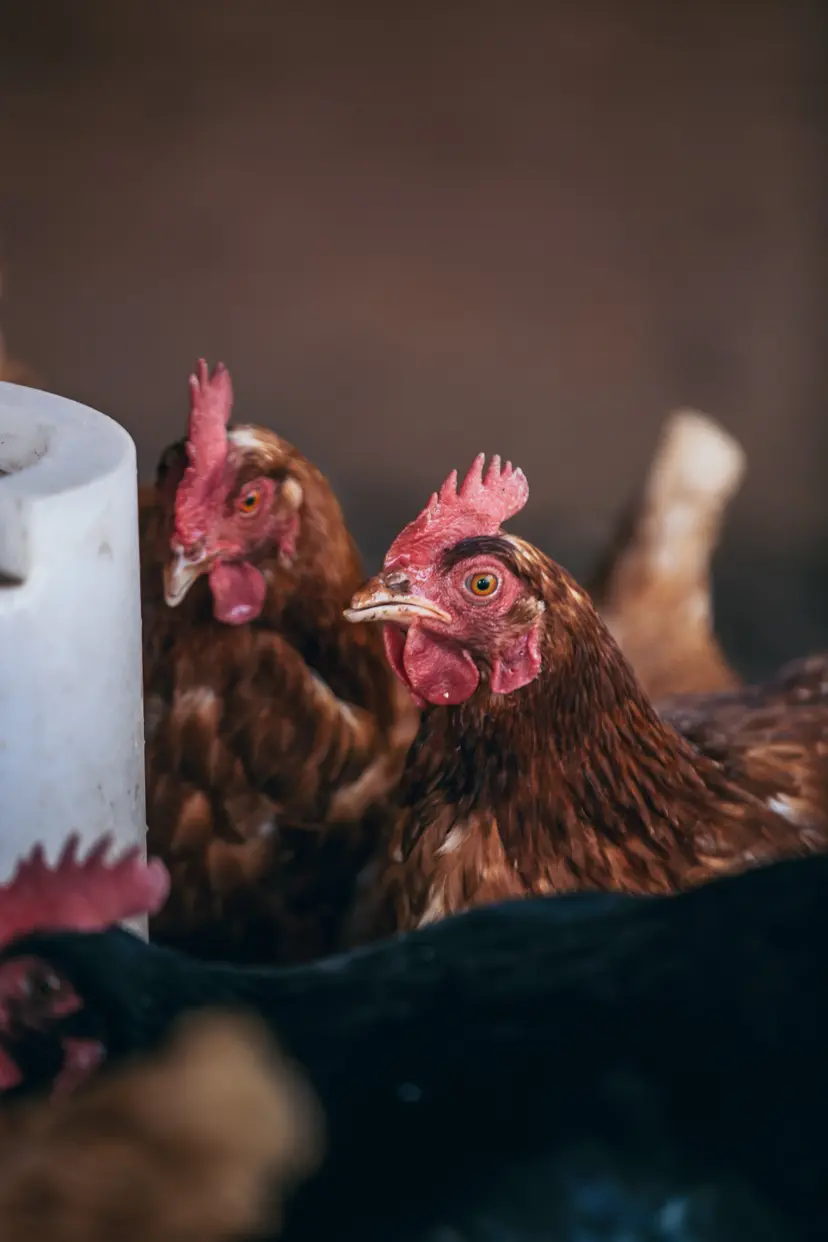
Successful poultry farming depends on more than feed and proper flock management. The environment where chickens live can influence their comfort, protection, cleanliness, and overall productivity. A thoughtfully planned poultry house gives birds a secure place to live while making everyday tasks easier for farmers and poultry keepers.
Chickens need adequate space and suitable environmental conditions to remain comfortable. Overcrowding can make movement, feeding, cleaning, and flock monitoring more difficult.
A well-planned house should provide enough room for the flock while allowing convenient access to feeding, watering, nesting, and resting areas. Good organization can also make routine management more efficient.
Fresh airflow is essential inside poultry housing. Proper ventilation helps control moisture, heat, dust, and unpleasant odors while bringing fresh air into the building.
Ventilation should be balanced carefully. Excessive drafts can create discomfort, while insufficient airflow can contribute to poor indoor conditions. The design should therefore take local weather and flock size into consideration.
Poultry housing should protect birds from rain, wind, excessive heat, and cold conditions. A secure structure can also help prevent predators from entering the flock's living area.
Doors, windows, fencing, and other openings should be checked regularly for damage or gaps. Strong construction and appropriate security measures can provide additional protection throughout the year.
Feed and water should be easy for chickens to access while remaining manageable for the person caring for the flock. Equipment should be positioned to reduce unnecessary waste and contamination.
Keeping feeding areas clean is also important. Regular inspection and cleaning can help maintain a more hygienic environment and make it easier to monitor the flock.
For farmers exploring poultry housing solutions, choosing a design that combines durability, ventilation, accessibility, and efficient flock management can provide valuable long-term benefits.
Nesting areas give hens a suitable place to lay eggs, while elevated perches provide opportunities for resting. These features should be positioned in ways that make cleaning and inspection convenient.
Providing sufficient nesting space can reduce competition among birds and make egg collection easier for farmers.
Clean housing is an important part of responsible poultry management. Waste, spilled feed, feathers, and moisture should be removed regularly to maintain better conditions.
A practical house design can make cleaning significantly easier. Accessible surfaces, appropriate flooring, and well-organized equipment can reduce the time required for routine maintenance.
Poultry housing may need to perform well under different weather conditions. During hot periods, ventilation and shade become especially important, while colder weather may require additional protection from drafts and low temperatures.
Planning for seasonal conditions from the beginning can help farmers maintain a more stable environment throughout the year.
Farmers should consider whether the flock may expand in the future. Building or selecting a house with suitable capacity can prevent the need for major changes later.
However, expansion should always be balanced with appropriate space requirements and practical management. A larger flock may also require additional feeding, watering, ventilation, and cleaning capacity.
Good poultry housing provides benefits for both chickens and the people who care for them. Adequate space, ventilation, security, nesting areas, feeding access, and easy maintenance can create a more practical environment for everyday flock management.