English
 Arabic
 French
 Spanish
 Portuguese
 Deutsch
 Turkish
 Dutch
Dutch
 Italiano
 Russian
 Romaian
 Portuguese (Brazil)
 Greek
Greek
Drum-Type Magnetic Separator Market by Application and Type: Mineral Processing Dominance and Wet Separator Leadership
Party |
2026-08-06 12:33:23
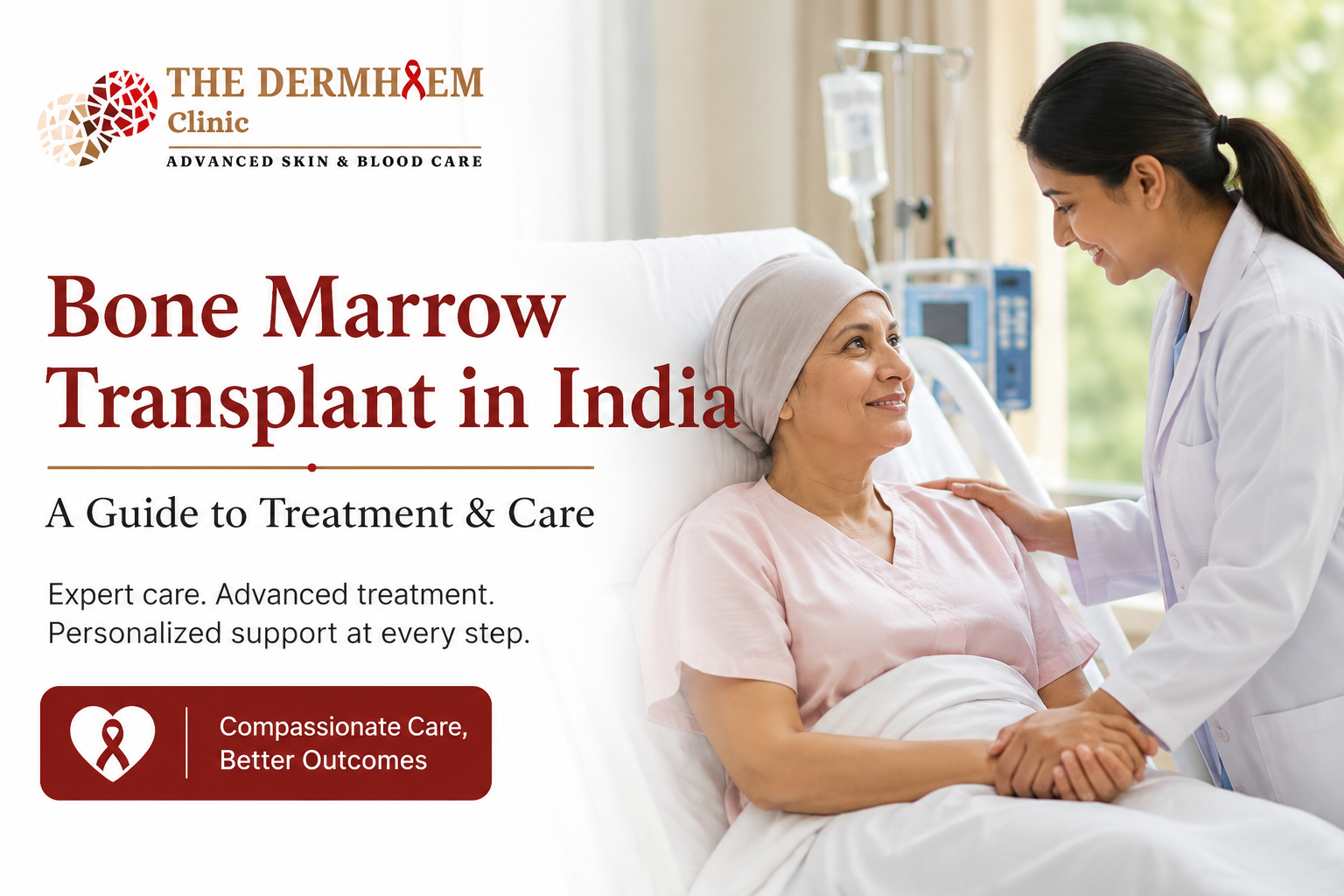
A bone marrow transplant, also known as a stem cell transplant, can be an important treatment option for people with certain blood cancers and serious blood disorders. Because every patient's condition is different, understanding the procedure, eligibility, risks, and recovery process is essential before making a treatment decision.
For patients exploring bone marrow transplant in India, access to experienced specialists, appropriate donor matching, advanced diagnostic facilities, and comprehensive supportive care can play an important role in the treatment journey. The DermHaem Clinic focuses on personalized hematology care and helps patients understand their treatment options based on their individual medical needs.
Bone marrow is responsible for producing essential blood cells, including red blood cells, white blood cells, and platelets. In some diseases, the bone marrow becomes damaged or stops producing healthy blood cells.
A bone marrow transplant replaces unhealthy or damaged blood-forming stem cells with healthy stem cells. Depending on the patient's condition, the transplant may use the patient's own stem cells (autologous transplant) or stem cells from a suitable donor (allogeneic transplant).
A transplant may be considered for selected patients with conditions such as:
Certain types of leukemia
Lymphoma
Multiple myeloma
Aplastic anemia
Myelodysplastic syndromes
Certain inherited blood or immune disorders
Not every patient with these conditions requires a transplant. Doctors consider factors such as the specific diagnosis, disease status, age, overall health, previous treatments, and availability of a suitable donor.
The process generally involves several important stages.
1. Detailed evaluation:
Doctors assess the patient's overall health, disease status, organ function, and treatment history.
2. Donor or stem cell assessment:
For an allogeneic transplant, human leukocyte antigen (HLA) matching helps identify a suitable donor.
3. Conditioning treatment:
The patient may receive chemotherapy, with or without radiation, to prepare the body for the transplant.
4. Stem cell infusion:
Healthy stem cells are introduced through an intravenous infusion. The cells then travel to the bone marrow and begin producing new blood cells.
5. Recovery and monitoring:
Close monitoring is required after transplantation to watch for infections, low blood counts, treatment-related complications, and other potential issues.
When considering bone marrow transplant in India, patients and families should look beyond the procedure itself. Successful transplant care involves careful patient selection, donor evaluation, infection prevention, supportive treatment, monitoring, and long-term follow-up.
At The DermHaem Clinic, the approach is centered on understanding each patient's condition and providing appropriate medical guidance throughout the treatment journey. Patients can discuss their diagnosis, potential treatment options, transplant suitability, and expected next steps with their healthcare team.
Recovery can take time because the immune system and blood-cell production need to rebuild. Patients may require regular blood tests, medications, infection precautions, nutritional support, and follow-up appointments.
The recovery period varies significantly from person to person. Following the transplant team's instructions and attending scheduled follow-ups are important for identifying and managing complications early.
A bone marrow transplant is a complex medical procedure and is not appropriate for everyone. Early consultation with a qualified hematology or transplant specialist can help patients understand whether transplantation may be suitable and what alternatives may be available.
If you are researching bone marrow transplant in India for yourself or a family member, seeking individualized medical advice is an important first step rather than relying solely on general information available online.
A bone marrow transplant can offer an important treatment pathway for selected patients with serious blood and bone marrow disorders. From diagnosis and donor matching to transplantation and long-term follow-up, every stage requires careful medical planning.
The DermHaem Clinic is committed to patient-focused hematology care, helping individuals and families understand their condition and make informed decisions about appropriate treatment options. If you are considering bone marrow transplant in India, a specialist consultation can help you better understand eligibility, potential benefits, risks, and the overall treatment journey.
A bone marrow transplant replaces damaged or diseased blood-forming stem cells with healthy stem cells to help restore normal blood-cell production.
It may be considered for selected patients with conditions such as leukemia, lymphoma, multiple myeloma, aplastic anemia, and certain blood or immune disorders.
The terms are often used interchangeably. Modern transplants commonly use blood-forming stem cells collected from peripheral blood, bone marrow, or sometimes cord blood.
Recovery varies depending on the patient's condition, transplant type, treatment received, and complications. Regular monitoring and follow-up are essential during recovery.
Eligibility depends on the diagnosis, disease status, overall health, previous treatments, and other individual factors. A qualified hematology specialist can evaluate your situation and discuss appropriate options.