English
 Arabic
 French
 Spanish
 Portuguese
 Deutsch
 Turkish
 Dutch
Dutch
 Italiano
 Russian
 Romaian
 Portuguese (Brazil)
 Greek
Greek
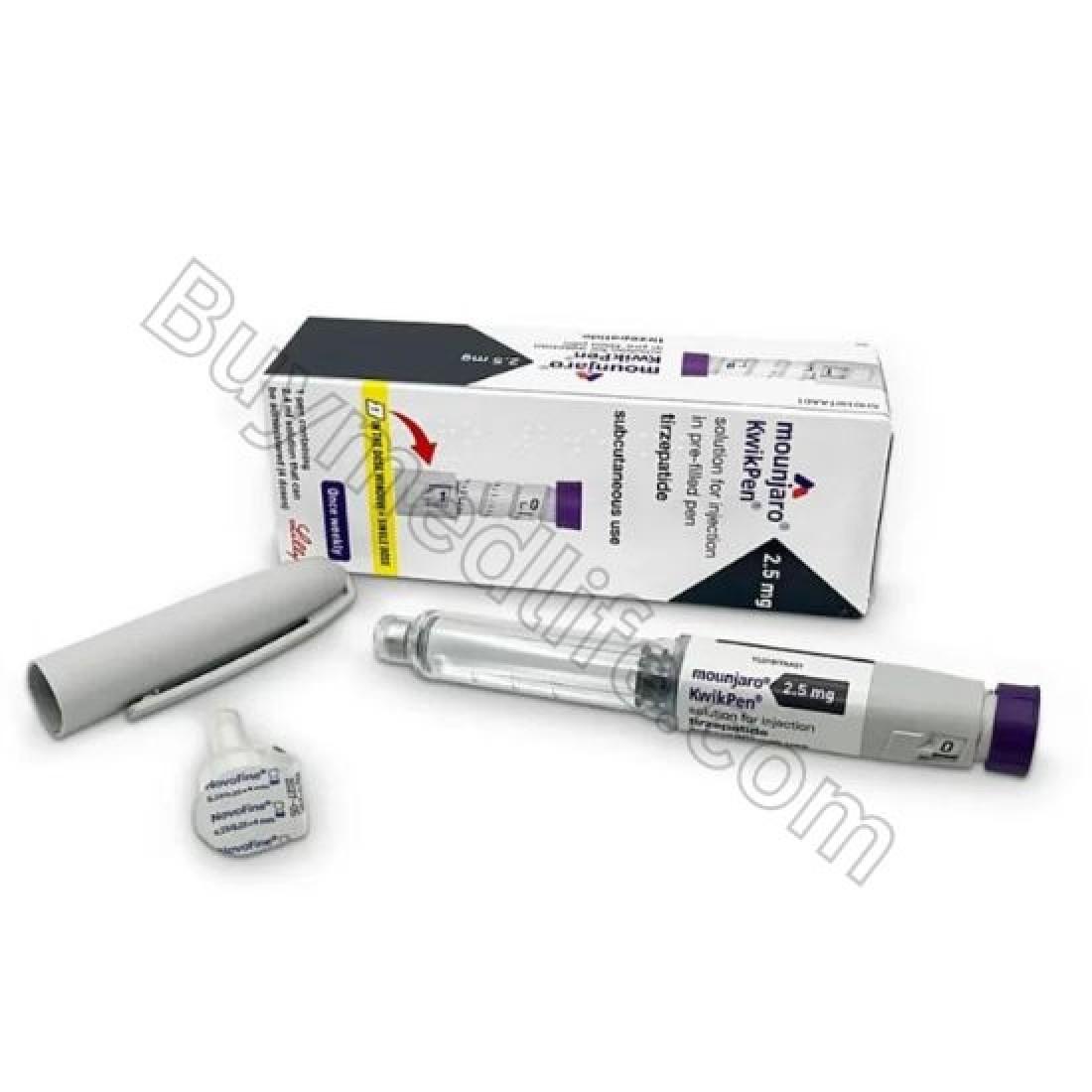
Mounjaro 2.5 mg and Diet: Maximizing Weight Loss Results
Health |
2025-11-28 12:48:08
In today’s world, sustainability is no longer optional—it’s a necessity. The textile industry, known for high resource consumption, has been adopting eco-friendly solutions, and one of the most impactful innovations is recycled yarn. But what exactly is recycled yarn, and how is it made? This article dives deep into the process and the significance of recycled yarn, while helping you understand how to source it from trusted recycled yarn manufacturers and recycled yarn suppliers.
Recycled yarn is yarn made from waste fibers or previously used textiles rather than virgin raw materials. These fibers can come from pre-consumer waste, such as leftover fabric scraps from manufacturing, or post-consumer waste, like used garments or textile waste collected from households.
Using recycled yarn not only reduces the burden on landfills but also saves significant amounts of water, energy, and natural resources compared to producing traditional yarn from virgin fibers. Moreover, it allows brands and manufacturers to embrace circular fashion practices—keeping materials in use for as long as possible.
Recycled Cotton Yarn – Produced from discarded cotton garments or textile scraps. It is soft, breathable, and widely used in clothing, towels, and home textiles.
Recycled Polyester Yarn – Made from post-consumer PET bottles or polyester fabric waste. Known for durability, elasticity, and versatility.
Blended Recycled Yarns – Combining recycled fibers with virgin or other fibers to enhance texture, strength, or aesthetics.
Each type has its applications in both fashion and industrial textiles, making it an attractive choice for manufacturers seeking sustainable alternatives.
The production of recycled yarn involves several steps, depending on whether it comes from pre-consumer or post-consumer sources:
Textile waste is collected from garment factories, production units, and post-consumer sources like old clothes and discarded fabrics. Recycled yarn manufacturers ensure proper sorting to remove contaminated or unsuitable material.
The collected fibers are sorted based on color, material type, and quality. This helps in producing a consistent yarn. After sorting, fibers are cleaned to remove dirt, impurities, and any synthetic components that could affect the yarn’s quality.
Textiles are shredded into smaller fibers using industrial machinery. The shredded fibers are then carded—a process that aligns fibers, removes remaining impurities, and prepares them for spinning.
Aligned fibers are spun into yarn using modern spinning techniques. This step defines the yarn’s texture, thickness, and strength. Manufacturers may blend different fibers at this stage to improve durability or achieve a specific aesthetic.
Some recycled yarns are dyed during the spinning process, while others are sold as natural-colored yarns. Finishing treatments can enhance softness, strength, or elasticity, depending on the end-use.
Finally, the yarn undergoes quality inspection to ensure uniformity, strength, and usability. Once approved, it is packaged and supplied to textile manufacturers, designers, and crafters.
Environmental Conservation – Reduces landfill waste, conserves water, and lowers carbon emissions.
Cost-Effective – Often more affordable than virgin fibers while maintaining quality.
Versatility – Suitable for fashion, upholstery, industrial textiles, knitting, and crochet.
Sustainability Appeal – Increasingly preferred by eco-conscious consumers and brands.
By sourcing from reliable recycled yarn suppliers, businesses can ensure the yarn meets quality standards while contributing to a greener textile industry.
Not all recycled yarns are created equal. When selecting recycled yarn manufacturers or recycled yarn suppliers, consider:
Certifications – Look for ISO, GRS, or OEKO-TEX certifications to ensure authenticity and sustainability.
Quality Control – Ensure the manufacturer follows strict quality checks for consistency and durability.
Range of Products – A wide variety of yarn types (cotton, polyester, blended) allows flexibility for different projects.
Eco-Friendly Practices – Manufacturers who prioritize minimal waste, low energy usage, and ethical sourcing contribute positively to the environment.
Partnering with trusted suppliers ensures a steady supply of high-quality recycled yarn for your business or creative projects.
Recycled yarn represents the future of sustainable textiles. From reducing waste to conserving resources, it is a practical solution for the environmentally conscious textile industry. By understanding what recycled yarn is and how it’s made, businesses and consumers alike can make informed choices. Partnering with reputable recycled yarn manufacturers and recycled yarn suppliers ensures access to high-quality, eco-friendly yarns that meet modern fashion and industrial needs.
Whether you are a designer, manufacturer, or DIY enthusiast, recycled yarn offers a versatile, eco-conscious option that supports circular fashion and a sustainable future.