English
 Arabic
 French
 Spanish
 Portuguese
 Deutsch
 Turkish
 Dutch
Dutch
 Italiano
 Russian
 Romaian
 Portuguese (Brazil)
 Greek
Greek
Oxygen Barrier Coatings: Essential for Freshness and Shelf-Life Extension
Other |
2026-08-24 09:38:27
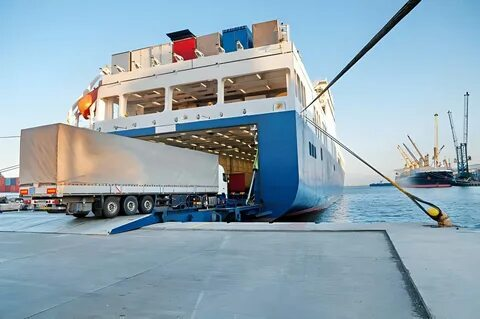
Shipping a vehicle overseas can seem complicated, especially when the destination is thousands of miles away. With the right preparation and understanding of the process, however, international vehicle transport can be straightforward and well organised. Shipping to Australia requires careful planning because vehicles entering the country must meet specific import, biosecurity, customs, and registration requirements.
Whether you are relocating, importing a classic vehicle, purchasing a car overseas, or returning home with your own vehicle, understanding each stage of the shipping process can help you avoid unnecessary delays and complications.
International car shipping generally begins with preparing the vehicle and checking whether it is eligible for import. Australia has strict regulations governing vehicles entering the country, so confirming the relevant requirements before arranging transport is essential.
Once eligibility has been established, the vehicle can be prepared for export. The shipping company or freight provider will normally arrange the appropriate transport method, documentation, port handling, and ocean freight arrangements.
The vehicle is then transported to the departure port, where it undergoes export procedures before being loaded onto a vessel. Depending on the circumstances, it may travel using Roll-on Roll-off shipping or containerised transport.
After the vehicle arrives in Australia, it must pass through customs and biosecurity procedures before it can be released. Additional compliance work may be required before the vehicle can legally be driven on Australian roads.
One of the most important decisions when arranging international vehicle transport is selecting an appropriate shipping method.
Roll-on Roll-off, commonly known as RORO, is widely used for vehicles that can be safely driven or moved under their own wheels. Cars are driven onto a specialised vessel and secured within the vehicle deck for the ocean journey. This method can be practical for standard vehicles and is designed specifically for transporting wheeled cargo.
Container shipping provides another option. A vehicle can be placed inside a dedicated container or shipped alongside other compatible cargo, depending on the service available. Containers provide enclosed protection from the external marine environment and may be particularly suitable for valuable, classic, luxury, or modified vehicles.
The best option depends on the type of vehicle, its condition, the desired level of protection, and the available shipping arrangements.
Proper preparation is an important part of shipping to Australia. Before the vehicle is handed over, it should be thoroughly cleaned, particularly underneath and around the wheels.
Australia has strict biosecurity requirements because soil, plant material, insects, and other contaminants can present environmental risks. A vehicle that does not meet cleanliness requirements may require additional cleaning or treatment after arrival.
Personal belongings should also generally be removed from the vehicle unless they have been specifically approved as part of the shipping arrangement. It is also sensible to document the vehicle's condition with photographs before collection. These images can provide a useful record of its appearance before transportation.
The fuel level may also need to be reduced to an appropriate amount, while alarms and other systems should be managed according to the shipping provider's instructions.
International vehicle shipping involves several important documents. These can include vehicle ownership documents, identification, purchase documentation where applicable, export paperwork, shipping documents, and Australian import approval.
The exact requirements can vary depending on the vehicle, its origin, age, intended use, and import circumstances. Certain vehicles may require additional documentation to demonstrate compliance with Australian vehicle standards.
It is important to ensure that names, vehicle identification numbers, registration details, and other information are accurate across the documentation. Small discrepancies can create delays during customs or clearance procedures.
Arriving at an Australian port does not automatically mean a vehicle is ready to be collected. Imported vehicles must pass through the necessary customs and biosecurity processes.
Australian biosecurity authorities pay particular attention to contamination. Soil, seeds, plant matter, insects, and animal-related material can result in the vehicle being inspected and potentially cleaned before release.
Customs procedures also determine whether the vehicle meets the relevant import requirements. Importers should understand their responsibilities before the vehicle leaves its country of origin rather than waiting until it reaches Australia.
Working with experienced professionals can make it easier to understand the paperwork and coordinate the different stages of the process.
Once the vehicle reaches Australia, it may go through several stages before it is ready for collection or registration. Customs and biosecurity clearance must be completed, and the vehicle may require inspection depending on its circumstances.
Some imported vehicles may need modifications or compliance work to satisfy Australian road requirements. Registration requirements can also differ between Australian states and territories, so owners should check the rules that apply to their final destination.
This is particularly important for older vehicles, modified cars, specialist imports, and vehicles that were originally manufactured for another market.
Classic and specialist vehicles often require additional care during international transport. Owners may be particularly concerned about protecting original paintwork, delicate components, rare interiors, and valuable accessories.
Enclosed container transport can provide additional protection during the journey. Special securing equipment and careful loading procedures can also help reduce the risk of movement or damage while the vehicle is being transported.
Before shipping a valuable vehicle, owners should make a detailed record of its condition and discuss any special handling requirements in advance.
Successful international vehicle transport starts with planning. Import requirements should be researched before booking the shipment, documents should be prepared carefully, and the vehicle should be cleaned and inspected before collection.
It is also important to allow sufficient time for customs, biosecurity, port handling, and compliance procedures. International shipping involves several organisations and stages, meaning delays can occasionally occur even when the transportation itself goes smoothly.
Keeping all documentation organised and communicating clearly with the shipping provider can make the entire experience considerably easier.
Shipping to Australia involves more than simply placing a vehicle on a ship. Import eligibility, documentation, vehicle preparation, ocean transport, customs, biosecurity, compliance, and registration all play an important role in the journey.
By understanding these stages in advance and preparing the vehicle correctly, owners can reduce the likelihood of avoidable delays and make the international shipping experience much more manageable. Whether transporting a daily driver, family vehicle, classic car, or specialist automobile, careful preparation is the foundation of a successful overseas vehicle shipment.