English
 Arabic
 French
 Spanish
 Portuguese
 Deutsch
 Turkish
 Dutch
Dutch
 Italiano
 Russian
 Romaian
 Portuguese (Brazil)
 Greek
Greek
Low Volatile Organic Compounds (VOC) Adhesive Market Growth Report: Key Drivers, Restraints & Opportunities
Other |
2026-06-30 07:59:36
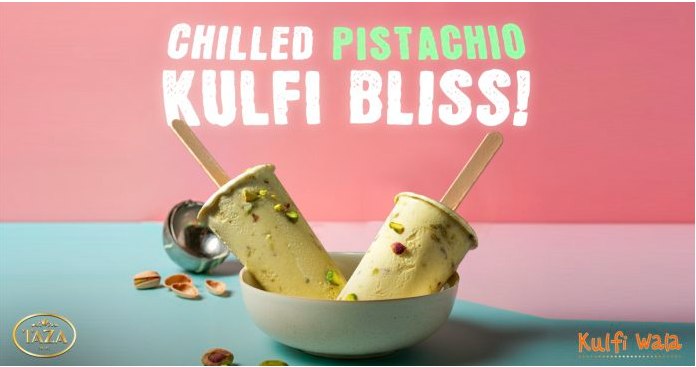
Pistachio Kulfi has quietly become one of the most sought-after frozen desserts among South Asian communities in Canada, and it's easy to see why once you understand what actually goes into a properly made batch. Unlike a scoop of regular ice cream, this is a dessert built on patience, reduction, and a handful of ingredients that have barely changed in centuries.
Kulfi is a frozen dairy dessert that originated in 16th-century Delhi during the Mughal era, long before modern ice cream existed in the region. It's often described as "traditional Indian ice cream," but the comparison only goes so far kulfi is denser, richer, and made through an entirely different process. Pistachio kulfi, sometimes written as "pista kulfi," is one of the most iconic and widely recognized flavors, alongside mango, malai, and saffron (kesar) versions.
The biggest difference comes down to method. Western ice cream is churned while freezing, which whips air into the mixture and produces a light, fluffy texture. Kulfi is never churned. Instead, milk is simmered slowly until it reduces significantly and thickens into a dense, concentrated base before being poured into molds and frozen solid. This lack of aeration is exactly why kulfi has that signature dense, almost fudge-like bite instead of the airy texture people expect from a scoop of ice cream.
A proper batch usually starts with full-fat milk simmered for an extended period, often stirred continuously so it doesn't scorch, until it reduces to roughly a third of its original volume. From there:
Crushed or ground pistachios are folded into the reduced milk for both flavor and texture
Cardamom is added for warmth and is considered practically inseparable from the flavor profile
Sweetener comes from sugar, condensed milk, or a combination of both
The mixture is poured into traditional cone-shaped or cylindrical molds and frozen until solid
A quick dip in warm water helps release the kulfi cleanly from the mold before serving
Some modern recipes shortcut the process using evaporated milk, pistachio cream, or whipped cream to skip the hours-long reduction step, but the flavor and texture of a slow-reduced batch is still considered the benchmark by most people who grew up eating it.
Canada's South Asian population has grown significantly over the past two decades, and with it has come rising demand for authentic desserts that aren't adapted or watered down for a broader market. Pistachio kulfi fits a specific need that ice cream shops rarely fill: a dessert that tastes the way it did at family gatherings, weddings, and roadside stalls back home. It's also become popular beyond South Asian households, as more Canadian dessert lovers discover its denser texture and more intense, less-sweet flavor compared to mainstream ice cream.
Not all kulfi sold commercially is made the traditional way, so a few details are worth checking before you buy:
Real pistachios, not just flavoring. Genuine pistachio kulfi should have visible flecks of nut throughout, not just a uniform pale green color from food coloring.
Density over fluffiness. If it looks and feels like regular ice cream, it likely wasn't made using the traditional reduction method.
Short, recognizable ingredient list. Milk, sugar, pistachios, and cardamom should be the core of the ingredient list long lists of stabilizers and fillers are a sign of a mass-produced shortcut version.
Kulfi has long been associated with celebrations weddings, Eid, Diwali, and family get-togethers are some of the most common settings for it. It's also a popular hot-weather treat sold by street vendors, historically known as "kulfiwalas," who traveled with kulfi packed in ice to sell fresh, cone by cone. That tradition is part of what makes the dessert feel personal to so many people, even generations removed from where it originated.
Pistachio kulfi has stayed close to its roots for centuries because the traditional method simply works slow reduction, real pistachios, and cardamom, without needing much else. As more Canadians look for authentic, less-processed desserts, it's no surprise this one is finding a wider audience beyond the communities that have loved it for generations.
For anyone in Canada looking to try it made the traditional way, Kulfiwala takes its name directly from that old tradition the street vendors who made and sold kulfi fresh and builds its pistachio kulfi around the same slow, reduction-based method rather than a shortcut version.
Is pistachio kulfi the same as pistachio ice cream?
No. While both are milk-based and flavored with pistachio, kulfi is made through slow reduction rather than churning, giving it a denser, richer texture than regular ice cream.
Why is kulfi green in color?
Naturally, pistachio kulfi is closer to a pale cream or light green tint from the nuts themselves rather than the bright green often seen in commercial products, which usually comes from added food coloring.
How is pistachio kulfi traditionally served?
It's typically served frozen in its mold shape, sliced into rounds, or on a stick, often garnished with extra crushed pistachios on top.
Where does the word "kulfiwala" come from?
"Kulfiwala" refers to a traditional street vendor who sold kulfi, often from an ice-packed cart, throughout South Asia. The term has since become closely tied to the idea of authentic, traditionally made kulfi.
Does pistachio kulfi contain eggs?
No. Traditional kulfi recipes are egg-free, relying on reduced milk for richness rather than an egg-based custard base like some Western ice creams use.