English
 Arabic
 French
 Spanish
 Portuguese
 Deutsch
 Turkish
 Dutch
Dutch
 Italiano
 Russian
 Romaian
 Portuguese (Brazil)
 Greek
Greek
Novumotion Advanced Joint Support Reviews
Health |
2026-05-15 07:48:38
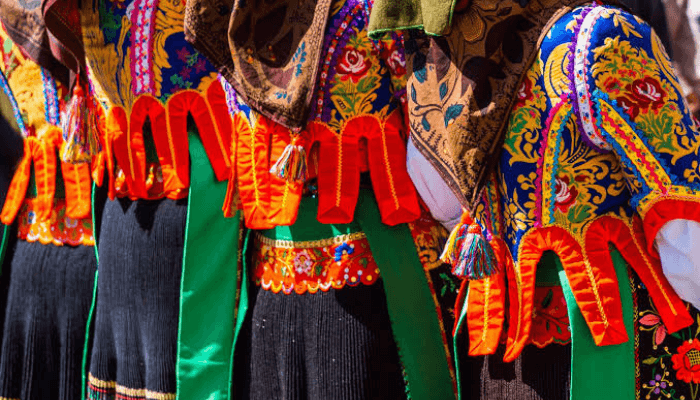
Traditional clothing carries stories that textbooks never could. Rooted in centuries of culture, conflict, celebration, and ceremony, these garments represent more than fashion—they carry identity, pride, and memory. Across continents and generations, they hold deep symbolic meanings that words often fail to express. Recognizing these styles is not only about admiration for aesthetics but also about respecting what they stand for.
The kimono, with it's elegant silhouette and intricate patterns, remains one of Japan’s most recognized traditional garments. It’s worn during formal occasions like weddings, funerals, and tea ceremonies. The layers, fabrics, and seasonal motifs speak volumes about the wearer’s status and intention. Though less common in daily wear today, it still holds immense cultural weight.
Each element—from the obi (sash) to the zori footwear—follows a tradition bound in precise rules. Kimonos differ by gender, age, and even marital status, making them complex yet deeply personal. What may look like a decorative garment to outsiders actually embodies the wearer’s relationship to time, family, and place.
The sari isn’t just cloth—it's emotion woven in six to nine yards of fabric. No two saris are ever quite the same. Worn across India, Bangladesh, Nepal and Sri Lanka, this iconic dress shifts dramatically by region. Banarasi saris shimmer with gold thread, while Kanjeevaram saris boast rich silk and bold temple patterns. There are over 100 documented ways to drape a sari, each with it's own meaning and origin.
For many Indian women, a sari is passed from one generation to the next like a family heirloom. It becomes a timeline of memories—first festivals, wedding rituals, or moments of mourning. Despite westernization in urban spaces, the sari remains a staple in daily wear and formal attire. Its resilience as a garment mirrors the resilience of the women who wear it.
The dashiki's bold colors and geometric patterns are impossible to overlook. Originating from West Africa, it’s more than a shirt—it's a political statement, an everyday uniform, and a celebration of African identity. Worn by both men and women, the dashiki carries messages through it's patterns, sometimes denoting marital status or social role.
During the Civil Rights movement in the United States, the dashiki found renewed meaning. African-Americans embraced it as an assertion of pride and heritage in the face of systemic erasure. Today, it's worn at weddings, graduations, and national holidays, reflecting a diasporic bond that transcends borders. The fabric might fade, but it's message never does.
With soft curves, flowing lines, and vibrant hues, the hanbok expresses a grace that words struggle to capture. Traditionally made from silk and ramie, the hanbok was once everyday wear for Koreans. Now reserved for national holidays like Chuseok or important family events, it's still considered the formal face of Korean heritage.
The women’s version includes a jeogori (jacket) and chima (skirt), while the men’s comprises baji (pants) and jeogori. The symbolism runs deep—the wide sleeves reflect generosity, while color palettes once signified class and age. And it’s not just history clinging on. Modern Korean designers are reinterpreting the hanbok for urban fashion, keeping tradition alive without turning it into museum relic.
In the world of ceremonial garments, nothing rivals the delicate intricacy of a ladies embroidered dress often seen in Central Asian, Middle Eastern, or Balkan cultures. These dresses carry handcrafted detail stitched by generations of women, who’ve told stories through needle and thread. Whether worn at weddings, harvest festivals, or religious rites, these garments echo the time-intensive labor and emotional investment placed in them. Each pattern often holds tribal, familial, or spiritual meanings, making them far more than decorative attire.
Born from Alpine farming communities, the dirndl evolved from a work garment into a cherished national costume in regions of Germany, Austria, and Switzerland. With a fitted bodice, full skirt, and apron, its form may be playful but its symbolism runs deep. How the apron is tied—even the side it’s knotted on—signals marital status.
Often worn at Oktoberfest and village fairs, the dirndl carries a regional identity that locals protect fiercely. In recent years, there’s been a revival of interest among younger generations, who wear modern versions of dirndls with pride. It’s not about nostalgia—it’s about reclaiming a cultural aesthetic that was never meant to be trendy in the first place. For many rural families, making and wearing a dirndl is a point of honor, not fashion.
What these traditional clothing styles share isn't just age or geography—it’s the human need to express identity through craft. Whether it's the weight of a sari's pleats or the discipline of a hanbok's layers, these garments bear silent witness to migration, struggle, devotion, and joy. They’ve survived colonial erasure, global fashion trends, and even modernization, without losing the heartbeat of their cultures.
By understanding and respecting these clothing traditions, we learn to see people beyond the present, to recognize the histories stitched into everyday life. Fashion might change every season, but true cultural wear has no expiry date. It's history you can feel.