Introduction
As developing regions face increasing challenges in managing clean water resources, the importance of efficient wastewater treatment has never been greater. Rapid urbanization, industrial growth, and population expansion have placed immense pressure on traditional wastewater infrastructure. Many existing systems are outdated, energy-intensive, or unable to handle the complex waste loads of modern communities.
This growing demand for sustainable, cost-effective, and adaptable solutions has led to the rise of Sequencing Batch Reactor (SBR) technology — a modern innovation that combines efficiency, flexibility, and environmental sustainability. Across developing nations, governments and industries alike are recognizing SBR systems as a game-changer in the field of wastewater management.
Understanding the Rise of SBR Technology
What Makes SBR Different?
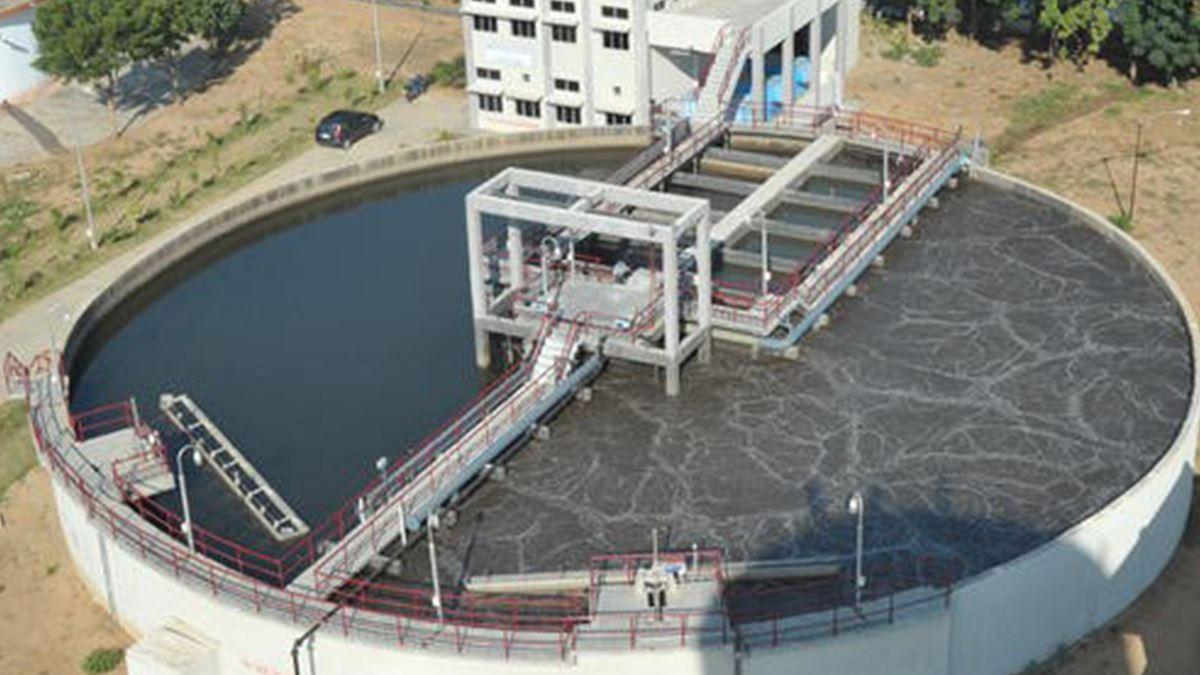
Unlike conventional continuous-flow systems, the SBR Wastewater Treatment system operates in cycles or batches. Each cycle includes a sequence of processes — filling, aeration, settling, decanting, and idle — all taking place in a single tank. This design eliminates the need for multiple clarifiers or separate aeration basins, making it both compact and efficient.
For developing regions where space and budgets are often limited, this is a crucial advantage. The simplicity of design, combined with automation capabilities, allows SBR plants to deliver high-quality treated water without requiring large-scale infrastructure or advanced operational expertise.
Flexibility for Diverse Applications
Another major reason behind SBR’s growing adoption is its versatility. The system can efficiently treat both municipal and industrial wastewater, making it ideal for urban areas, rural communities, and manufacturing hubs. Whether it’s a textile factory in Kenya, a housing project in India, or a small resort in Southeast Asia, SBR systems can be tailored to meet specific wastewater characteristics and treatment goals.
Key Benefits Driving Adoption
1. Compact Design and Space Efficiency
In many developing regions, land availability poses a significant challenge. Traditional wastewater treatment plants require multiple tanks and large surface areas. SBR technology, however, consolidates processes into one tank, drastically reducing the required footprint. This makes it ideal for urban and semi-urban setups where every square meter counts.
2. Cost-Effective Operations
Affordability is one of the most attractive aspects of the SBR Wastewater Treatment system. With fewer tanks, reduced piping, and simpler equipment, installation costs are significantly lower than conventional setups. Moreover, the system’s automated operation reduces the need for continuous supervision, minimizing labor costs and human error.
Energy efficiency also contributes to cost savings. SBR systems use aeration only when needed, which reduces power consumption — a major advantage for regions with unstable energy supply or high electricity tariffs.
3. High Treatment Efficiency
Despite being simple and compact, SBR technology doesn’t compromise on performance. It can achieve excellent results in removing organic matter, nitrogen, and phosphorus — key indicators of wastewater quality. The batch operation ensures better control over reaction times, resulting in more consistent and reliable effluent quality.
This makes SBR-treated water suitable for reuse in irrigation, industrial cooling, or even non-potable domestic applications, helping communities recycle and conserve precious water resources.
4. Scalability and Modular Design
SBR systems can easily be scaled up or down depending on population growth or industrial demand. This modular approach enables communities and facilities to start small and expand as needed without overhauling the entire infrastructure.
This scalability aligns perfectly with the developmental trajectory of growing regions, where infrastructure evolves gradually with economic and demographic changes.
5. Easy Maintenance and Automation
Automation is at the core of SBR systems. Programmable logic controllers (PLCs) manage the entire cycle, minimizing manual intervention. This not only reduces operational errors but also ensures consistent water quality.
Maintenance is straightforward — with fewer mechanical parts and simpler construction, operators can easily monitor performance and address issues with basic technical knowledge. This is particularly important in developing regions where access to skilled technicians may be limited.
Environmental and Social Impact
Reducing Water Stress
Water scarcity is one of the most pressing challenges for developing nations. By turning wastewater into a reusable resource, SBR technology directly supports water conservation. Reclaimed water from SBR systems can be used for agriculture, landscaping, or industrial processes, reducing dependence on freshwater sources.
Supporting Sustainable Urban Development
As cities expand, the demand for sustainable infrastructure grows. SBR systems contribute to eco-friendly urban planning by integrating easily into decentralized treatment setups. For example, housing developments or industrial parks can install independent SBR plants, reducing pressure on municipal systems while promoting environmental responsibility.
Improving Public Health
Poor wastewater management is a major cause of waterborne diseases in developing regions. By providing efficient and reliable treatment, SBR systems help eliminate harmful contaminants, protecting both ecosystems and human health. Cleaner water means safer communities and healthier environments.
The Future of Wastewater Treatment in Developing Regions
Government and Private Sector Collaboration
To accelerate SBR adoption, collaboration between public authorities, private companies, and international organizations is vital. Governments can play a key role by offering incentives, funding, or technical support for SBR-based projects. Private firms can contribute through innovation, system optimization, and local capacity building.
Technological Advancements
Modern SBR systems continue to evolve with advancements such as IoT-based monitoring, energy recovery modules, and enhanced aeration techniques. These innovations further increase efficiency, reliability, and sustainability — making SBR systems even more attractive for developing markets.
A Path Toward Resilience
As climate change intensifies water challenges, investing in efficient wastewater treatment is no longer optional — it’s a necessity. SBR technology offers developing regions a path toward water resilience, environmental protection, and long-term economic sustainability.
Conclusion
SBR technology’s growing popularity in developing regions is no coincidence. Its combination of compact design, cost-effectiveness, high efficiency, and scalability perfectly fits the needs of emerging economies striving for sustainable water management solutions.
By addressing both environmental and infrastructural challenges, the SBR approach enables communities to transform wastewater from a liability into a valuable resource. As more regions embrace this technology, it represents not just a technical upgrade, but a shift toward smarter, cleaner, and more sustainable living.
 English
 Arabic
 French
 Spanish
 Portuguese
 Deutsch
 Turkish
 Dutch
Dutch
 Italiano
 Russian
 Romaian
 Portuguese (Brazil)
 Greek
Greek