Introduction
For decades, diesel-powered water pumps have been the backbone of agricultural and industrial water supply in many regions. Farmers and businesses have relied on them for irrigation, livestock watering, and other essential applications. However, rising fuel prices, high maintenance costs, and growing environmental awareness are driving a major shift toward renewable energy alternatives — particularly solar-powered water pumping systems.
The move from diesel to solar isn’t just a trend; it’s a transformative change reshaping how communities, farms, and industries manage their water needs sustainably. But what exactly can you expect during this transition? Let’s explore what makes this switch both practical and rewarding.
Understanding the Shift to Solar
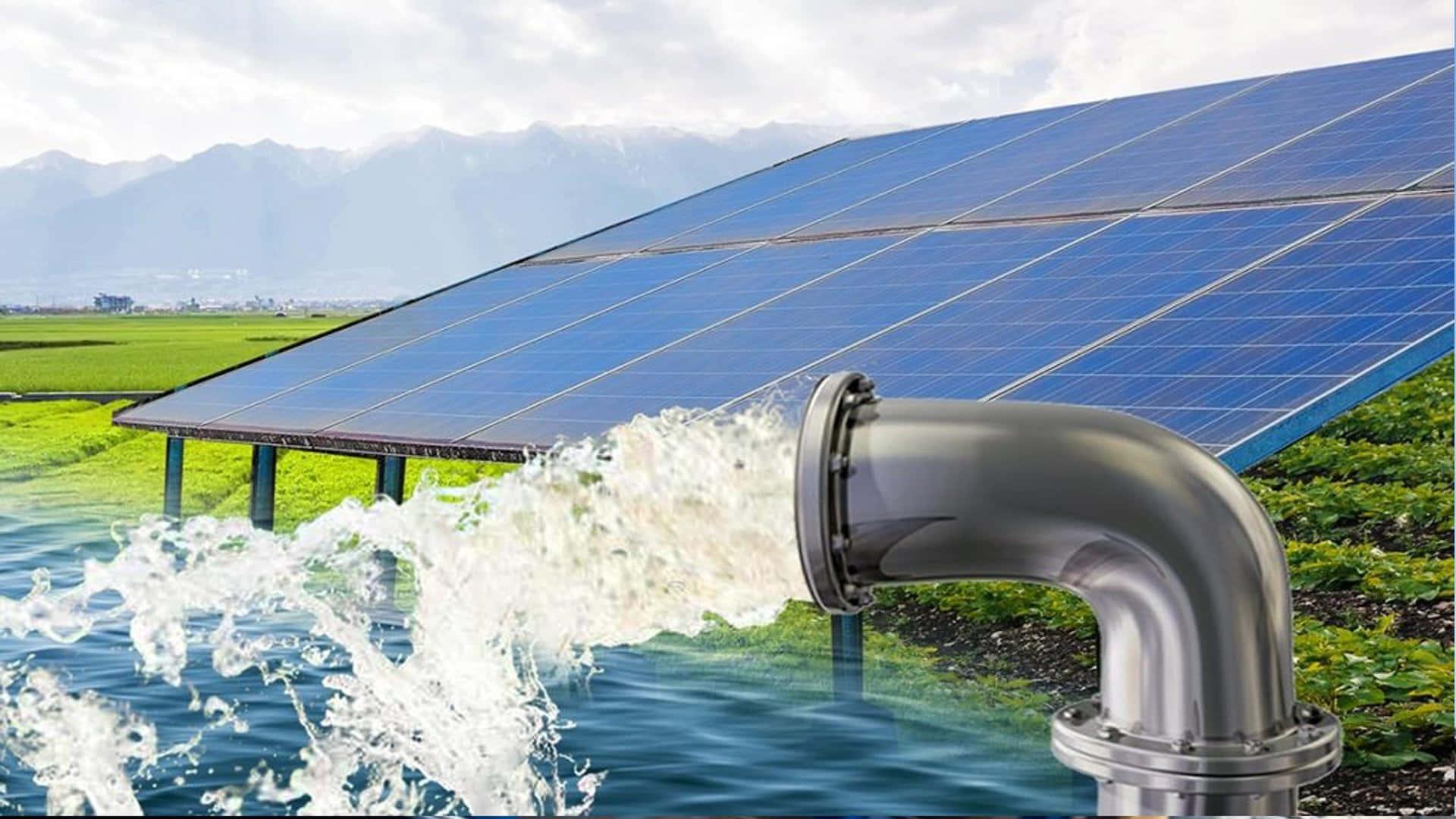
Transitioning to Solar Water Pumping Systems involves more than simply replacing equipment — it’s about rethinking efficiency, cost, and long-term sustainability. Solar pumps use photovoltaic (PV) panels to convert sunlight into electricity, which powers the motor that draws water from the source.
The technology has advanced rapidly in recent years, offering higher performance, better reliability, and adaptability to various terrains and climates. Whether you’re operating in a remote village or a commercial farm, modern solar systems can be customized to meet your exact water requirements.
Why the Shift Makes Sense
Diesel pumps may have served well in the past, but they come with several challenges: fluctuating fuel costs, frequent maintenance, and environmental pollution. Solar pumps, on the other hand, rely on a free and abundant energy source — the sun. Once installed, they can operate for years with minimal running costs, making them a smart investment for long-term sustainability.
Key Benefits of Going Solar
1. Lower Operating Costs
One of the most noticeable benefits of switching to Solar Water Pumping Systems is the significant reduction in operating expenses. Unlike diesel pumps, which depend on a continuous fuel supply, solar pumps run on renewable energy. This means zero fuel bills, fewer maintenance requirements, and no need to worry about fluctuating diesel prices or supply shortages.
2. Minimal Maintenance
Diesel engines require regular oil changes, filter replacements, and tune-ups to function efficiently. Solar pumps, however, have fewer moving parts and operate silently with little wear and tear. Apart from occasional cleaning of solar panels and basic system checks, maintenance is minimal — saving both time and money.
3. Environmental Sustainability
Switching to solar isn’t just a financial decision; it’s also an environmental one. Solar pumps produce no harmful emissions, helping reduce the carbon footprint of agricultural and industrial operations. By eliminating diesel dependency, users contribute to cleaner air and a healthier planet.
4. Energy Independence
Rural areas and off-grid communities often struggle with unreliable fuel deliveries or limited electricity access. Solar pumps offer complete energy independence, allowing water access even in remote locations. Once installed, they can run autonomously — perfect for regions with consistent sunlight but limited infrastructure.
5. Long-Term Investment Value
Although the initial setup cost for solar pumps can be higher than diesel models, the return on investment (ROI) is substantial. Over time, savings from fuel and maintenance expenses offset the installation cost. Most systems pay for themselves within a few years, after which the energy is practically free.
What to Expect During the Transition
Step 1: Site Assessment and Planning
The first step is evaluating your site’s solar potential. Professionals assess sunlight exposure, water demand, and pump head requirements to determine the ideal system size. The goal is to design a setup that delivers reliable water output throughout the year.
Step 2: Choosing the Right System
There are different types of solar water pumps — submersible, surface, and floating models — each suited to specific needs. A thorough consultation helps match the system to your water source (well, borehole, or surface water) and application (irrigation, livestock, or domestic use).
Step 3: Installation and Setup
Installation typically involves mounting solar panels, connecting the controller, and integrating the pump with the water source. Depending on site conditions, setup can take a few days. Once operational, the system starts pumping immediately under sunlight — no refueling or electrical connections required.
Step 4: Monitoring and Maintenance
Modern solar pumps often come equipped with smart monitoring systems that track energy generation, water flow, and system health. This allows users to detect and fix issues early, ensuring optimal performance. Routine maintenance mainly involves cleaning the solar panels to remove dust or debris that might block sunlight.
Challenges You Might Face
1. Initial Investment
While prices for solar systems have dropped significantly, the upfront cost can still be a hurdle for small-scale users. However, financing options, subsidies, and government programs in many regions make it easier to adopt solar technology.
2. Dependence on Sunlight
Solar pumps rely on sunlight, so their efficiency varies with weather conditions. Installing battery backups or hybrid systems that combine solar and grid power can help maintain water supply during cloudy days or at night.
3. Technical Expertise
Although solar pumps are designed for simplicity, professional installation and occasional servicing are essential. Partnering with experienced technicians ensures correct sizing, wiring, and alignment — preventing future performance issues.
The Broader Impact of Solar Adoption
Beyond individual users, widespread adoption of solar water pumps has a ripple effect on local economies and the environment. Farmers benefit from stable water supply and reduced costs, leading to better crop yields and income stability. Communities gain access to clean water for daily needs, improving public health and quality of life.
Moreover, as more businesses and governments invest in renewable infrastructure, local employment in solar installation, manufacturing, and maintenance grows — fostering economic resilience and sustainability.
Conclusion
Transitioning from diesel to solar-powered water pumps is more than a technological upgrade — it’s a step toward a cleaner, cost-effective, and sustainable future. While the initial phase requires planning and investment, the long-term benefits in savings, reliability, and environmental impact make the change worthwhile.
As renewable technology continues to advance, solar pumping systems are becoming increasingly efficient and affordable, transforming how water is accessed and managed worldwide. For those ready to make the shift, the sun isn’t just a light source — it’s a lasting solution for powering progress.
 English
 Arabic
 French
 Spanish
 Portuguese
 Deutsch
 Turkish
 Dutch
Dutch
 Italiano
 Russian
 Romaian
 Portuguese (Brazil)
 Greek
Greek