Introduction
The real estate industry remains one of the most dynamic and influential sectors in the global economy. It plays a crucial role in urban development, wealth creation, and infrastructure expansion. Over the past decade, the sector has undergone significant transformation due to rapid urbanization, evolving consumer demands, and technological advancements. These changes are not only reshaping how properties are developed and sold but also how they are perceived as assets.
Understanding these developments is essential for anyone involved in real estate, whether as a buyer, investor, developer, or policymaker. This article explores the key factors driving change in the real estate sector and highlights the opportunities and challenges that define its current landscape.
The Role of Economic Factors in Real Estate
Economic conditions have a direct impact on the performance of the real estate market. Factors such as inflation, interest rates, employment levels, and economic growth influence property demand and pricing.
When interest rates are low, borrowing becomes more affordable, encouraging homebuyers and investors to enter the market. This leads to increased demand and rising property values. On the other hand, higher interest rates can slow down market activity by making loans more expensive.
Inflation also plays a significant role. Real estate is often considered a hedge against inflation, as property values and rental income tend to rise over time. However, high inflation can increase construction costs, affecting the profitability of new developments.
Employment trends are equally important. A strong job market boosts consumer confidence and increases the ability of individuals to invest in property. Conversely, economic downturns can reduce demand and lead to price corrections.
Emerging Trends in Residential Real Estate
The residential real estate segment is experiencing several noteworthy trends driven by lifestyle changes and demographic shifts.
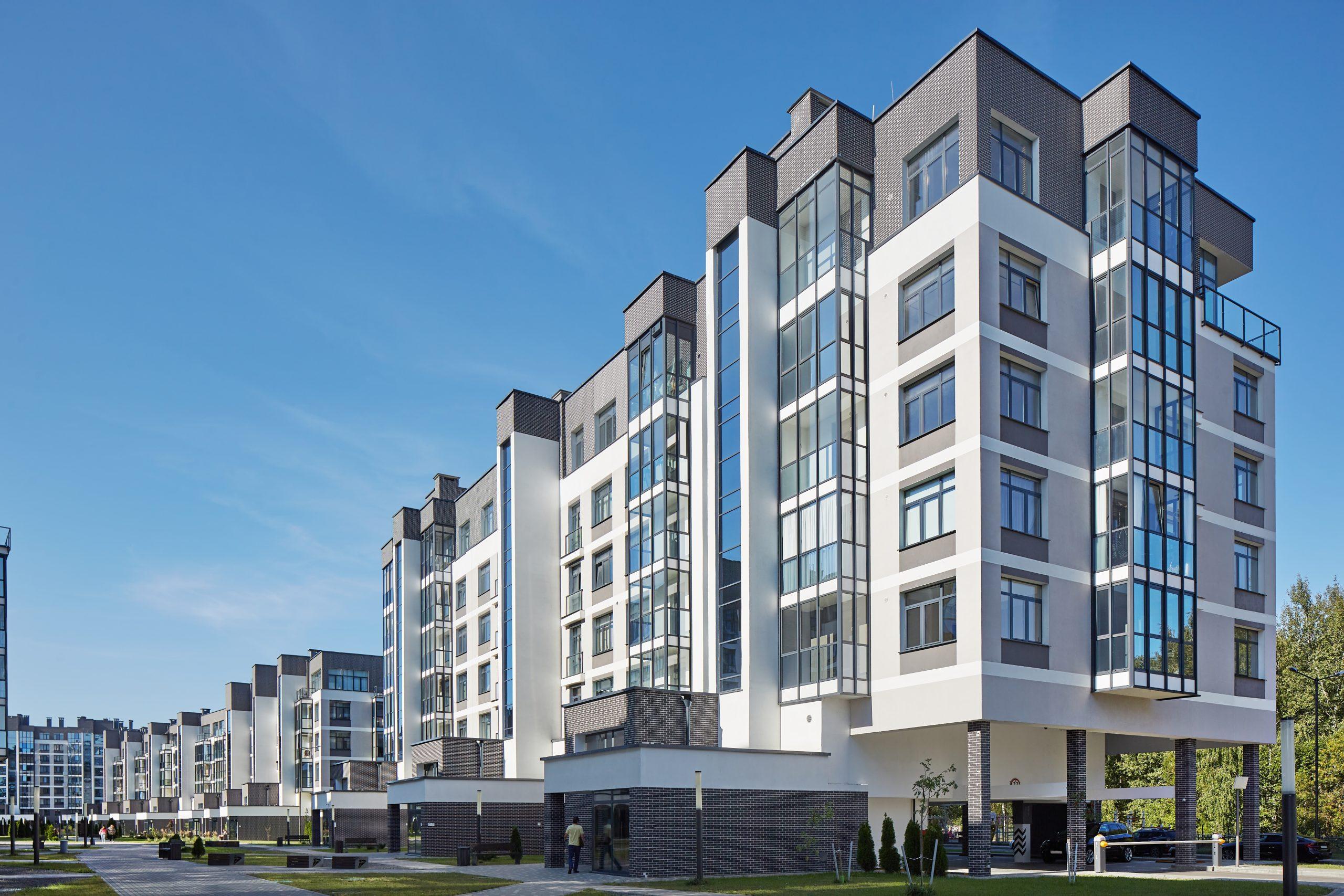
One major trend is the growing demand for integrated townships. These developments offer a combination of residential units, commercial spaces, schools, healthcare facilities, and recreational areas within a single community. They provide convenience and a sense of community, making them highly attractive to modern buyers.
Another important trend is the increasing preference for smart homes. Technology-enabled homes equipped with automation systems for lighting, security, and climate control are becoming more popular. These features enhance comfort, security, and energy efficiency.
The concept of wellness-oriented housing is also gaining traction. Buyers are looking for properties that promote physical and mental well-being, including access to green spaces, natural light, and ventilation.
Additionally, there is a growing demand for properties in tier-2 and tier-3 cities. Improved infrastructure and remote work opportunities have made these locations viable alternatives to crowded metropolitan areas.
Commercial Real Estate and Changing Work Culture
The commercial real estate sector is undergoing a transformation influenced by changing work environments and business models.
The rise of remote and hybrid work has significantly impacted office space demand. Companies are moving toward flexible workspaces that can be scaled up or down based on their needs. This has led to the growth of co-working spaces and shared office environments.
Retail real estate is also evolving. Traditional brick-and-mortar stores are adapting to compete with e-commerce platforms. Many retail spaces are being redesigned to offer experiential shopping, where customers can engage with brands in unique and interactive ways.
Hospitality real estate, including hotels and serviced apartments, is recovering and adapting to new travel trends. There is an increased focus on hygiene, safety, and personalized experiences to attract customers.
Industrial real estate continues to grow due to the expansion of logistics and supply chain networks. Warehousing and distribution centers are in high demand, especially in areas with strong connectivity.
The Influence of Government Policies
Government policies and regulations play a vital role in shaping the real estate sector. They impact everything from property pricing to investment opportunities.
Affordable housing initiatives are a major focus for many governments. Policies aimed at reducing the cost of housing and providing financial assistance to buyers have helped increase homeownership rates.
Regulatory frameworks have been strengthened to improve transparency and protect consumers. These measures ensure that developers adhere to project timelines and maintain quality standards.
Tax policies and incentives also influence investment decisions. Benefits such as deductions on home loans and reduced taxes on property transactions encourage participation in the real estate market.
Infrastructure development policies further enhance the attractiveness of certain regions. Investments in roads, public transport, and utilities increase property values and drive demand.
Technology and Innovation in Real Estate
Technology is playing an increasingly important role in the real estate industry. It is transforming how properties are designed, marketed, and managed.
PropTech, or property technology, includes innovations such as artificial intelligence, big data, and blockchain. These technologies improve efficiency, reduce costs, and enhance decision-making.
Artificial intelligence is used to analyze market trends, predict property prices, and provide personalized recommendations to buyers. Big data helps investors identify high-potential locations and assess risks.
Blockchain technology offers secure and transparent transactions, reducing the risk of fraud and simplifying the process of property ownership transfer.
Smart building technologies are also gaining popularity. These systems optimize energy usage, improve security, and enhance the overall living experience.
Challenges in the Real Estate Sector
Despite its growth, the real estate industry faces several challenges that must be addressed.
Affordability remains a key issue, especially in major cities where property prices have risen significantly. This has made it difficult for middle-income groups to purchase homes.
Regulatory compliance can be complex and time-consuming. Developers must navigate multiple approvals and legal requirements, which can delay projects.
Environmental concerns are becoming increasingly important. Real estate development must balance growth with sustainability, ensuring minimal impact on the environment.
Market volatility is another challenge. Economic uncertainties and global events can affect property demand and investment returns.
Opportunities for Future Growth
The real estate sector offers numerous opportunities for growth and innovation.
Sustainable development is one of the most promising areas. Developers who focus on eco-friendly practices and energy-efficient designs can attract environmentally conscious buyers.
The concept of smart cities is gaining momentum. These cities integrate technology and infrastructure to improve living standards and efficiency.
Real estate investment opportunities are expanding, with options such as fractional ownership and real estate investment trusts making the market more accessible.
Emerging markets present significant potential due to rapid urbanization and population growth. These regions offer opportunities for both residential and commercial development.
Conclusion
The real estate industry is evolving rapidly, shaped by economic factors, technological advancements, and changing consumer preferences. While challenges such as affordability and market volatility persist, the sector continues to offer substantial opportunities for growth.
For stakeholders, staying informed and adapting to these changes is essential. By embracing innovation, focusing on sustainability, and understanding market dynamics, individuals and businesses can successfully navigate the complexities of the real estate market and capitalize on its potential.
 English
 Arabic
 French
 Spanish
 Portuguese
 Deutsch
 Turkish
 Dutch
Dutch
 Italiano
 Russian
 Romaian
 Portuguese (Brazil)
 Greek
Greek