English
 Arabic
 French
 Spanish
 Portuguese
 Deutsch
 Turkish
 Dutch
Dutch
 Italiano
 Russian
 Romaian
 Portuguese (Brazil)
 Greek
Greek
Ethanoic Acid Market Outlook Indicates Stable Future Growth Opportunities
Other |
2026-07-08 06:02:07
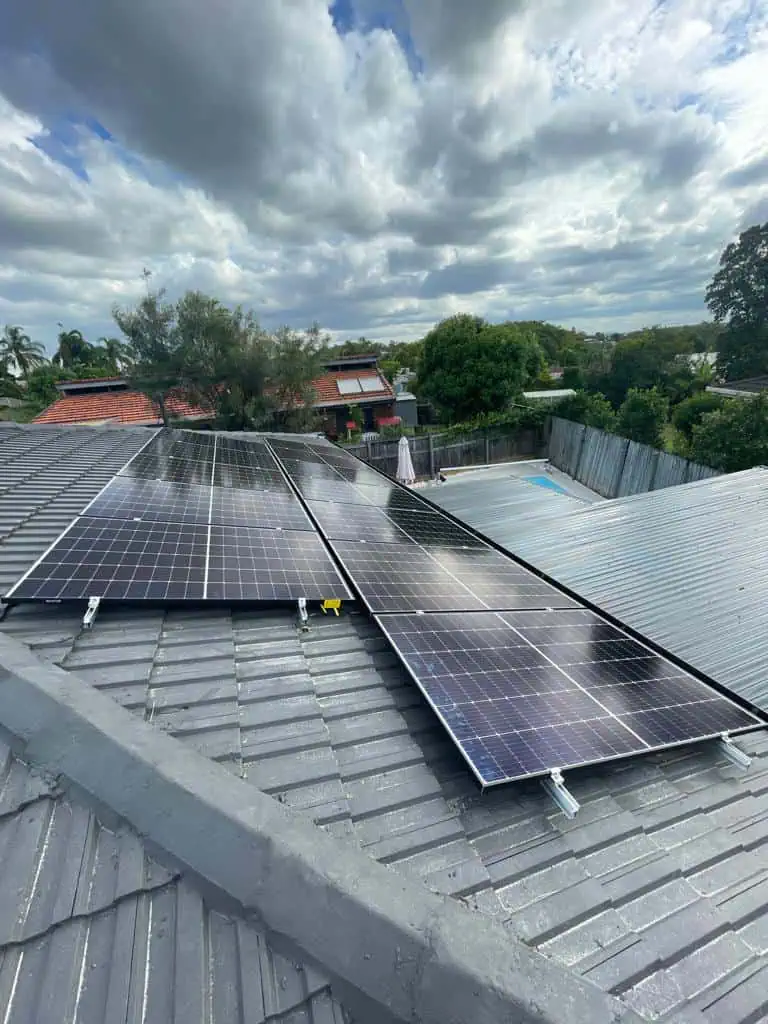
Modern industries are facing a dual challenge — managing rising operational costs while meeting sustainability expectations from customers, regulators, and global markets. Electricity expenses alone can consume a significant share of production budgets, especially for energy-intensive industries. At the same time, there is increasing pressure to reduce environmental impact and shift toward clean energy.
Industrial solar systems are emerging as one of the most practical solutions to address both these needs. They allow businesses to generate their own power using renewable energy while achieving strong financial returns over time. Instead of being viewed only as an environmental initiative, industrial solar is now considered a strategic business investment that supports long-term profitability and operational stability.
Understanding Industrial Solar Systems
An industrial solar system is a large-scale solar power setup installed on factory rooftops, open land, or industrial premises. These systems generate electricity that can be directly used by the facility, reducing dependency on grid power. Some systems can also be integrated with energy storage or net metering, depending on local regulations and infrastructure.
Industrial solar installations are designed for durability and long operational life. Once installed, they can generate power consistently for decades with minimal maintenance requirements. This makes them highly attractive for businesses looking for long-term energy solutions.
How Industrial Solar Supports Business Sustainability
Reduction in Environmental Impact
Solar energy is clean and renewable. By switching part or all of their power consumption to solar, businesses significantly reduce their carbon emissions. This directly supports sustainability goals and helps companies align with global environmental standards.
Responsible Resource Utilization
Solar power uses sunlight, which is naturally available and unlimited. Unlike fossil fuels, it does not deplete natural resources or create harmful emissions during power generation.
Stronger Corporate Image
Today’s customers and business partners prefer working with environmentally responsible companies. Businesses using renewable energy often gain better brand perception and trust in domestic and international markets.
Contribution to Green Supply Chains
Many global companies now prefer suppliers who follow sustainable practices. Industrial solar adoption can improve eligibility for long-term contracts with environmentally conscious clients.
The Financial Advantage: Why ROI Is So Strong
One of the biggest reasons industries are adopting solar is the strong return on investment. Unlike many operational expenses, solar is a one-time capital investment that continues delivering savings for decades.
Reduced Electricity Bills
Solar power reduces the amount of electricity purchased from the grid. For industries operating during daytime hours, solar generation directly offsets high-cost electricity usage.
Protection from Rising Power Costs
Electricity tariffs tend to increase over time. Solar systems help businesses lock a portion of their energy cost, making long-term financial planning more predictable.
Long Operational Life
Industrial solar systems typically operate efficiently for over two decades. Once the system recovers its installation cost, it continues to generate electricity at a very low operating cost.
Low Maintenance Requirements
Solar systems have no moving parts, which reduces wear and tear. Basic cleaning and periodic inspections are usually enough to maintain performance.
Key Factors That Make Industrial Solar Financially Attractive
Declining Solar Technology Costs
Solar panel and inverter technologies have improved significantly. Higher efficiency and better durability have made solar more practical for large-scale industrial use.
High Industrial Energy Consumption
Industries consume large amounts of electricity. Even partial solar integration can create substantial cost savings over time.
Government Policy Support
Many regions offer policy benefits, tax advantages, or incentives that help reduce the effective cost of solar installation for businesses.
Energy Reliability
Solar reduces dependency on grid power fluctuations and outages. For industries where downtime leads to major financial losses, this reliability adds indirect financial value.
Strategic Business Benefits Beyond Direct Savings
Industrial solar is not only about saving electricity costs. It also improves overall business performance.
Improved Financial Planning
Solar power provides predictable energy costs, which helps in long-term budgeting and cost control.
Increased Property and Asset Value
Industrial facilities with solar installations are often considered more valuable because of their lower operating costs and sustainability compliance.
Competitive Market Advantage
Companies using renewable energy are better positioned to meet international compliance standards and sustainability reporting requirements.
Industries That Benefit the Most
While almost every industry can benefit from solar power, the highest returns are typically seen in:
Industries operating primarily during daylight hours gain maximum advantage because solar generation matches their peak consumption period.
Industrial Solar as a Long-Term Business Strategy
Industrial solar should be viewed as infrastructure rather than an expense. It supports business growth by reducing operating risks, lowering long-term energy costs, and improving sustainability performance.
Over time, solar becomes a profit-supporting asset. After the initial investment is recovered, the electricity generated significantly reduces ongoing operational costs. This makes solar one of the few investments that continuously delivers financial and environmental returns together.
The Future of Industrial Energy
As sustainability regulations become stricter and energy prices remain unpredictable, industrial solar adoption is expected to grow rapidly. Businesses that invest early benefit from cost advantages, better compliance readiness, and stronger market positioning.
Industrial solar is no longer a future concept — it is becoming a present-day competitive necessity for industries that want to stay efficient, profitable, and environmentally responsible.
Conclusion
Industrial solar systems help businesses achieve sustainability without sacrificing profitability. By reducing electricity costs, improving energy security, lowering environmental impact, and strengthening brand reputation, solar power delivers value across multiple business areas.
Hybrid Solar System Cost in Brisbane: How It Works and What to Expect
How to Choose a High-Quality Solar Inverter for Long-Term Performance