English
 Arabic
 French
 Spanish
 Portuguese
 Deutsch
 Turkish
 Dutch
Dutch
 Italiano
 Russian
 Romaian
 Portuguese (Brazil)
 Greek
Greek
Regional Insights into the Global Floating Docks Market
Other |
2026-01-29 10:50:38
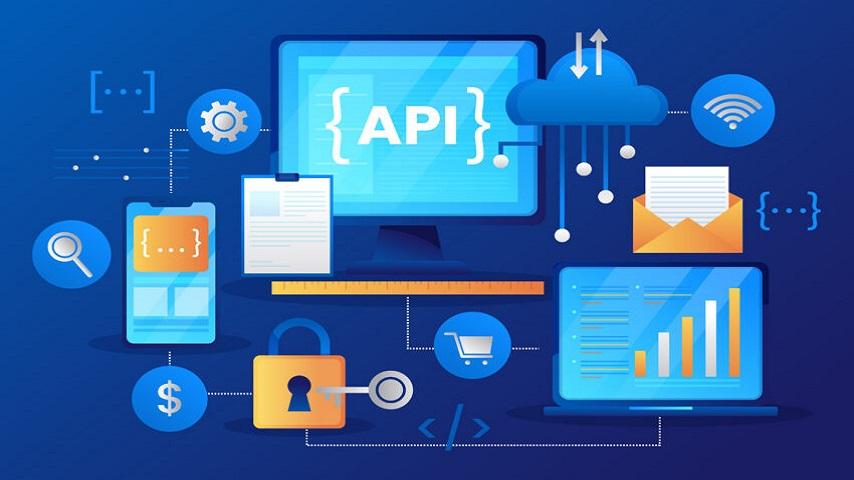
Industrial automation is rapidly evolving, and machine vision systems are at the heart of this transformation. From automated quality inspection to robotic guidance and predictive maintenance, machine vision software enables industries to achieve higher precision, efficiency, and reliability.
However, the success of any industrial machine vision project depends heavily on choosing the right development team. Selecting skilled and experienced developers is not just a technical decision—it is a strategic business investment.
This blog explores how to choose the right developers for industrial machine vision software systems and why making the right choice can determine long-term operational success.
Understanding Industrial Machine Vision Software
Before choosing developers, it’s important to understand what industrial machine vision software involves. These systems typically include:
Machine vision systems are commonly used in industries such as:
Developing software for such environments requires expertise in computer vision, industrial protocols, automation systems, and real-time processing.
Why Choosing the Right Developers Matters
Machine vision projects are often mission-critical. A poorly designed system can result in:
The right development team ensures:
Key Factors to Consider When Choosing Developers
1. Industry Experience
Look for developers who have prior experience in industrial environments. Industrial machine vision differs significantly from general computer vision applications.
Developers must understand:
Ask for case studies and references from similar industries.
2. Technical Expertise in Core Technologies
Strong expertise in the following areas is essential:
Developers should also be familiar with platforms and frameworks such as:
A team that combines software engineers, automation experts, and AI specialists is ideal.
3. Customization Capability
Industrial environments are rarely “one-size-fits-all.”
Your developers should be capable of:
Avoid developers who rely solely on generic, pre-built solutions without flexibility.
4. Integration Skills
Machine vision systems must integrate seamlessly with:
The right developers will ensure smooth communication between vision systems and the rest of the production ecosystem, minimizing downtime during deployment.
5. Scalability and Future-Proofing
Industrial technology evolves quickly. Choose developers who design systems that are:
A scalable system allows you to expand from a single inspection station to multiple production lines without rebuilding the entire infrastructure.
6. Testing and Validation Process
Reliable developers follow structured testing procedures:
They should provide detailed documentation and performance metrics before final deployment.
7. Cybersecurity Awareness
As industrial systems become connected to networks and cloud platforms, cybersecurity becomes critical.
Ensure developers follow best practices for:
A secure system protects sensitive production data and prevents operational disruption.
8. Post-Deployment Support and Maintenance
Machine vision systems require ongoing monitoring and optimization.
Choose developers who offer:
Long-term partnerships are more valuable than one-time deployments.
Questions to Ask Before Hiring
To make an informed decision, consider asking:
Their answers will reveal both technical competence and practical understanding.
In-House vs. External Development Team
Some organizations consider building an in-house team. While this offers control, it requires:
Outsourcing to experienced industrial machine vision developers often provides faster implementation, reduced risk, and proven expertise.
Red Flags to Watch Out For
Be cautious if developers:
Industrial projects demand clarity, precision, and transparency.
Final Thoughts
Choosing the right developers for industrial machine vision software systems is a decision that directly impacts operational efficiency, product quality, and overall profitability.
The ideal development partner combines:
Investing time in selecting the right team ensures that your machine vision system not only meets today’s requirements but also adapts to tomorrow’s technological advancements.
What Are the Key Benefits of IoT Development for Manufacturing Industries?
Connected Manufacturing Industries: Using IoT Solutions to Elevate Customer Experience